Category: Public Sector

  • The 2025 African Union elections are important for Africans

    The 2025 African Union elections are important for Africans

    The 38th African Union (AU) Summit, taking place from 12-16 February 2025, is one of the most significant political gatherings for Africa this year. At the heart of the summit are high-stakes elections that will determine the leadership of the African Union Commission (AUC) for the next four years. Given the AU’s role in shaping Africa’s economic development, security, and global diplomacy, these elections matter to every African.

    What does the African Union Chairperson do?

    The AU Chairperson is the head of the African Union Commission (AUC), the executive branch of the AU. The person who assumes this role will have major influence over Africa’s policies and global positioning. Some key responsibilities include:

    1. Implementing Africa’s Agenda 2063: The Chairperson ensures progress on Africa’s long-term development plan, which includes economic integration, industrialization, and sustainable development.
    2. Conflict Resolution and Security: The leader plays a key role in mediating conflicts, overseeing peacekeeping efforts, and working with the AU Peace and Security Council.
    3. Economic and Trade Development: Strengthening the African Continental Free Trade Area (AfCFTA) and advocating for investment in infrastructure and industrialisation.
    4. International Diplomacy: Representing Africa at global summits, including the G20, United Nations (UN), COP, BRICS, and World Economic Forum.
    5. Health and Humanitarian Crisis Response: Coordinating AU efforts in responding to pandemics, food crises, and climate disasters.

    Who is running for AU Chairperson?

    The Eastern African region is set to produce the next Chairperson. Three key candidates are competing for the position:

    • Raila Odinga (Kenya): Former Prime Minister of Kenya (2008–2013), Member of Parliament, and leader of opposition coalitions. He was the AU High Representative for Infrastructure Development in Africa (2018–2023).
    • Mahamoud Ali Youssouf (Djibouti): Djibouti’s current Foreign Minister since 2005, he has deep diplomatic expertise and a strong focus on security and regional cooperation.
    • Richard Randriamandrato (Madagascar): Former Foreign Minister, with a strong background in economic policy and regional infrastructure development.
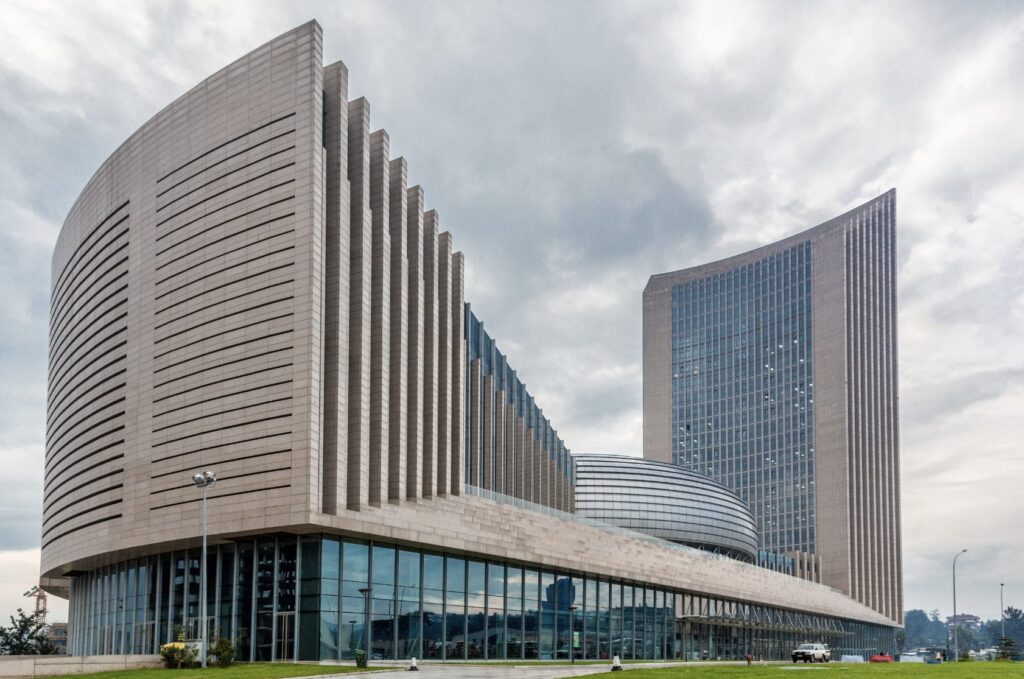
    African Union HQ
    African Union headquarters in Addis Ababa, Ethiopia

    Other key elections at the Summit

    Beyond the Chairperson role, other significant leadership positions are up for election:

    1. AU Deputy Chairperson

    This role is designated for Northern Africa, with the following candidates:

    • Algeria: Ambassador Salah Francis Elhamdi (former Ambassador to Ethiopia) and Ambassador Salma Malika Haddadi (former Ambassador to Kenya) 
    • Egypt: Mohamed Ahmed Fathi Edrees (former Representative to the United Nations) and Dr. Hanan Morsy (Deputy Executive Secretary and Chief Economist at the United Nations Economic Commission for Africa)
    • Libya: Najat Hajjaji (Diplomat)
    • Morocco: Latifa Akharbach (President of the High Authority for Audiovisual Communication)

    2. Six AU Commissioner roles

    A total of 35 candidates from Central, Western, and Southern Africa are contesting, with 19 female candidates, reflecting a growing push for gender inclusivity in AU leadership.

    The Political Affairs, Peace and Security position is the only role where the incumbent, Bankole Adeoye from Nigeria, is running for re-election. Africa Intelligence reported that Nigerian President, Bola Tinubu, will be in Addis to defend Adeoye. The challengers are: Jean-Jacques Démafouth (Central African Republic candidate who serves as a Representative of ECCAS Commission to the AUC), Oumar Bikimo (a Chadian general and former Head of the G5 Sahel Military Force) and Joca Felisberto Antonio Archar (nominee from Mozambique).

    Why does this Summit matter to Africans?

    The outcomes of these elections will shape Africa’s policies in key areas such as:

    • Better trade and jobs: The AU’s economic policies influence job creation, trade expansion, and industrial growth.
    • Improved security: The AU Chairperson plays a vital role in conflict resolution and preventing instability across the continent.
    • Stronger global influence: The Chairperson represents Africa at global summits, advocating for fairer trade, climate financing, and Africa’s permanent seat at the UN Security Council.
    • Infrastructure and development: Leadership decisions will affect the expansion of roads, railways, energy, and digital infrastructure, crucial for Africa’s long-term growth.

    Conclusion

    The 2025 AU Summit is more than just a political event. It will determine the course of Africa’s economic development, security, and international standing for years to come. With high-stakes elections and critical policy discussions, Africans should closely watch the outcomes and demand accountability from their leaders. The AU’s next leadership team will play a pivotal role in Africa’s progress, and their decisions will impact millions across the continent.

  • Africa’s energy conundrum: fossil fuels or darkness?

    Africa’s energy conundrum: fossil fuels or darkness?

    The Mission 300 Africa Energy Summit brought 30 African Heads of State and governments, business executives and development partners to Tanzania at the end of January 2025. The Dar es Salaam Energy Declaration committed to connecting 300 million Africans to electricity by 2030. There are currently 600 million people in Africa without access to electricity. Twelve countries also presented National Energy Compacts, which outlined targets to drastically scale up electricity access, increase renewable energy usage, and attract private investment. 

    However, not everyone agrees that renewable energy is the sole answer for Africa’s power crisis. We will examine both sides of the argument.

    The case for renewable energy in Africa

    Africa has potential to become the renewable energy leader in the world. The continent has 60% of global solar potential and 12% of global hydro power potential. Renewable energy, particularly decentralised solar and wind systems, can provide faster and more cost-effective solutions to energy poverty compared to traditional fossil fuel infrastructure. Yet, renewables accounted for less than 4% of Africa’s total energy production in 2022, according to the International Energy Agency (IEA). 

    Africa is one of the most vulnerable continents to climate change, despite contributing less than 4% of global greenhouse gas emissions. By embracing renewables, Africa can position itself as a leader in clean energy innovation. The global energy transition is accelerating, with renewables becoming increasingly cost-competitive. 

    Successful renewable energy projects in Africa

    Several countries in Africa have successfully embarked on the transition to renewables dominance:

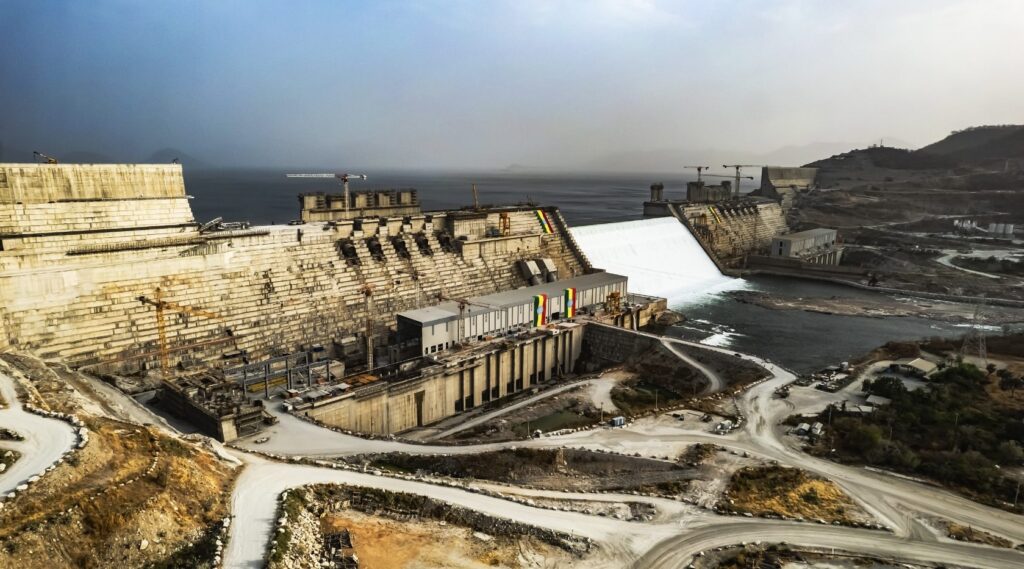
    Dam in Ethiopia
    The Grand Ethiopian Renaissance Dam (GERD) will be the largest hydro power plant in Africa
    • Hydropower projects: the Grand Ethiopian Renaissance Dam (GERD) in Ethiopia is expected to be Africa’s largest hydropower plant once fully operational. It will have a full capacity of 6.45 GW and provide domestic electricity and exports to 13 countries. The 2,075MW Cahora Bassa hydroelectric dam in Mozambique supplies electricity domestically and exports to other countries in Southern Africa. The 250MW Bujagali Hydropower Plant in Uganda is an example of a successful public-private partnership in the renewables sector.
    • Solar projects: The 1.8GW Benban Solar Park in Egypt is the largest solar farm in Africa and reduces Egypt’s carbon emissions by two million tonnes annually. The 580MW Noor Ouarzazate Solar Complex in Morocco provides clean energy to over 1 million people and reduces Morocco’s carbon emissions by 760,000 tons annually.
    • Wind projects: the 310MW Lake Turkana Wind Power project in Kenya is the biggest wind farm in Africa. It meets 15% of Kenya’s electricity needs, powering over 1 million homes. The 120MW Ashegoda Wind Farm in Ethiopia supplies electricity to over 3 million people. The 30 MW Nouakchott Wind Farm in Mauritania meets 15% of Mauritania’s electricity needs.
    • Geothermal Projects: the 800MW Olkaria Geothermal Plant in Kenya is the largest geothermal power producer in Africa. It is a global leader in geothermal energy development and supplies 30% of Kenya’s electricity needs. The 150MW Corbetti Geothermal Project is under construction in Ethiopia.
    • Off-Grid and Mini-Grid Projects: the pay-as-you-go M-KOPA Solar platform provides affordable solar energy to over 1 million households in Kenya, Uganda, and Tanzania. The 1.3MW Nuru Solar Mini-Grids in the Democratic Republic of Congo provides reliable electricity to over 10,000 people in Goma.

    The challenges that need to be overcome

    Firstly, developed countries have pledged to provide $100 billion annually in climate finance to developing nations, but this promise has not been fully met. Africa alone needs $200 billion annually. Renewable energy systems often require advanced storage solutions and grid upgrades to ensure reliability. Many African countries lack the technical expertise and infrastructure to support these systems. Developed nations must fulfil their climate finance commitments and provide technical and financial support to help Africa transition to renewables.

    Secondly, the pursuit of renewable projects is also driving up the external debt burden. While renewables have lower operating costs, the initial investment required for infrastructure (e.g., solar farms, wind turbines, and grid upgrades) can be prohibitive for cash-strapped African governments. 

    Lastly, growing the renewables sector should create jobs, stimulate local industries and attract foreign investment. The solar value chain, for example, includes solar panel manufacturing, installation, and maintenance. The reality is that most of the components for renewable energy are imported from China.

    Is Africa being naive about renewable energy?

    Critics of Africa’s all-in approach to renewable energy point to the hypocrisy of the developed countries. Their push for Africa to pursue the clean energy pathway is a case of do as I say, not as I do. 

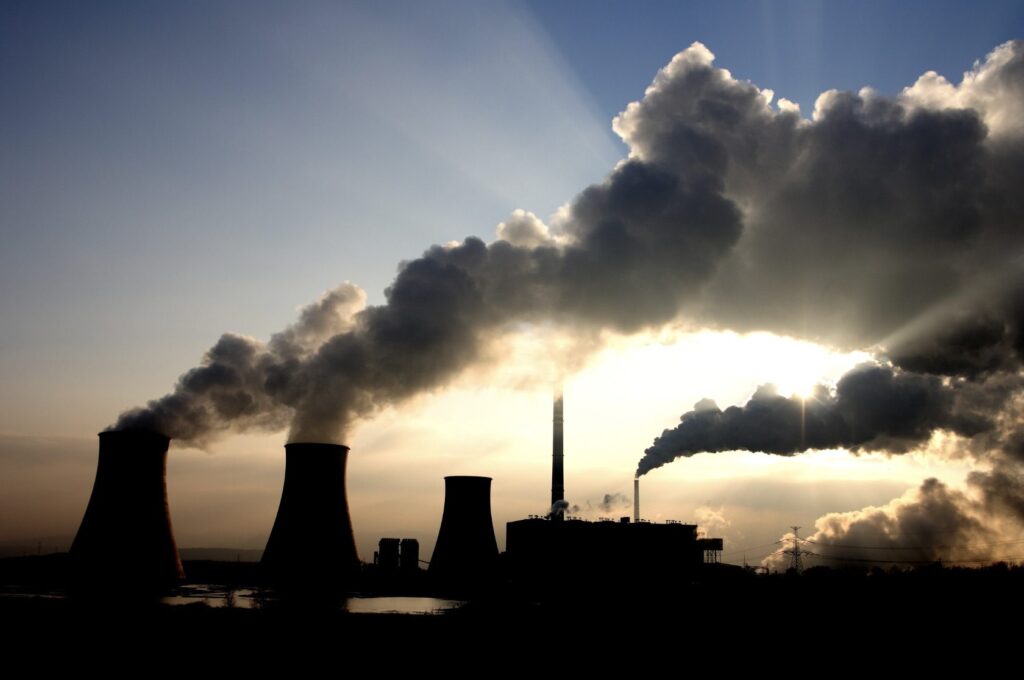
    Developed countries have historically been the largest emitters of greenhouse gases, contributing significantly to climate change. Many Western countries and financial institutions advocate for Africa to transition to clean energy, yet continue to invest in fossil fuels themselves. Africa is being pressured to restrict fossil fuel use under the guise of climate action, but these same resources are then extracted and exported to power economies in Europe, the USA and Asia. If the global polluters continue to use fossil fuels, how exactly will Africa’s renewable energy efforts shield them from climate change effects?

    Coal-plant polluting the atmosphere
    Coal-fired power station in North Rhine, Westphalia, Germany

    For example, Germany imported €180M worth of coal and coal briquettes in October 2024. The previous month, a newspaper article reported that Germany was “patiently waiting for South Africa to move away from coal”. The European Union’s biggest economy also offered South Africa around $20m to support efforts to move to wind and solar. It is worth noting that coal made up 30% of Germany’s energy mix in 2022.

    The World Bank and IMF discourage financing for African fossil fuel projects but an investigation revealed that some funding is going against their own green pledges. The campaign group Urgewald identified $3.7billion in trade financing from the World Bank in 2022 that likely indirectly funded oil and gas projects.

    The push for clean energy in developing countries can be perceived as a way for wealthier nations to maintain their economic dominance while restricting the development pathways of poorer nations. This dynamic raises questions about equity and justice in global climate policy.

    The case for a gradual energy transition

    Developed countries historically built their economies on fossil fuels and they remain the dominant fuel source for energy production. In North America, natural gas, oil and coal accounted for 81.2% of energy production in 2022. The energy mix from oil, natural gas and coal for the same period was 83% in Asia and 70.5% in Europe. In the Middle East, natural gas and oil were 98% of energy production in 2022.

    Africa’s energy demand is growing rapidly as populations expand and economies follow the industrialisation pathway. Many African countries are still working to provide reliable energy access to their populations. Coal and other fossil fuels are often seen as affordable and reliable options for rapid industrialization and economic development. Asking these countries to leapfrog straight to renewables without adequate financial and technological support can be seen as unfair, especially when developed nations continue to benefit from fossil fuels.

    Coal is the cornerstone of South Africa’s energy system, with more than 80% of its electricity generated from coal-fired power plants. Africa’s leading economy and most industrialised country accounts for 15.5% of the continent’s energy production. There are coal- fired power plant projects (expansion and new) underway in Mozambique, Malawi, Tanzania and Zambia, all of whom (except Malawi) have significant coal deposits

    Africa can adopt a balanced energy mix, combining renewables with transitional fuels like natural gas and coal to meet immediate energy needs while building a sustainable energy future.

    candle
    For many Africans, the daily lives of electricity have been replaced by candles and darkness

    Conclusion

    From a long-term perspective, transitioning to clean energy today is the best option for Africa. Climate change is real and Africa has the most to lose if carbon emissions are not reduced.

    However, Africa cannot continue to be subservient to the rest of the world. The dark continent, which has contributed the least to global carbon emissions and is the least developed, is the one that is making the ultimate sacrifice by exporting its fossil fuels to other parts of the world and staying in darkness. Make that make sense!

    African countries are expected to borrow billions of dollars (mainly from developed countries) to invest in renewable energy projects that offset carbon emissions by developed countries? Africa is getting played. Given the failure of the carbon credits markets to adequately compensate Africa, developed countries must pay for the renewable energy projects as compensation.

    We need to come to the negotiating table with a different approach and make commitments that are rooted in reality. African governments need to realise that their people need electricity today, not the promise of clean energy in 2030 and beyond. Balancing short and long term needs, with African people at the heart of decision-making, is how we will judge the success of the Dar es Salaam declaration.

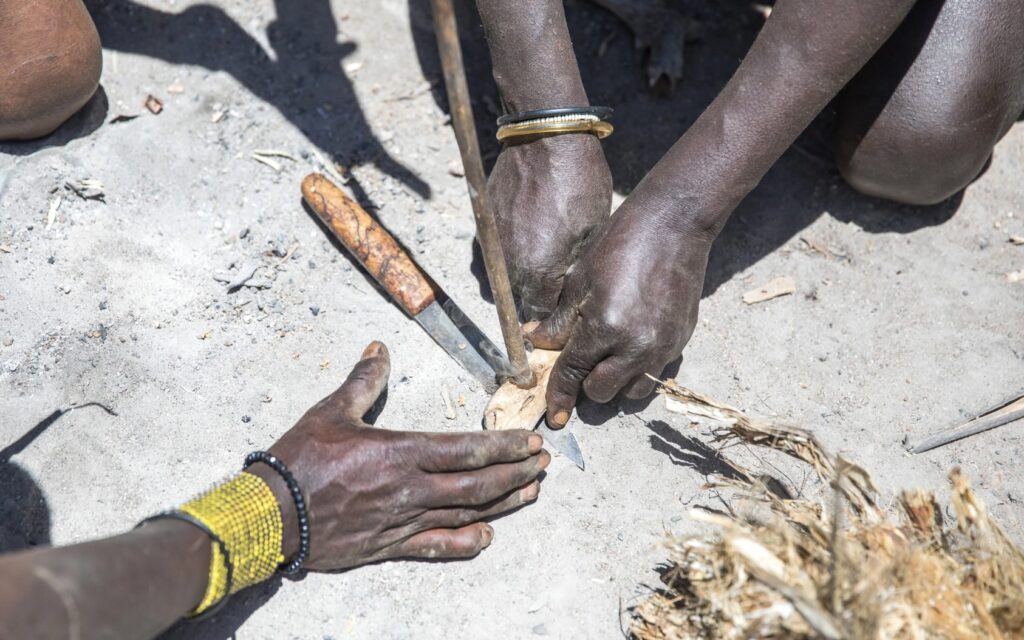
    making a fire
    The Hadzabe tribe of Tanzania making a fire the traditional way. The inability to increase energy supply to meet demand is setting Africa back
  • Ethiopia is the country to watch in 2025

    Ethiopia is the country to watch in 2025

    Ethiopia is one of the world’s most fascinating countries. It is blessed with a unique blend of ancient history, religious heritage, linguistic traditions, and cultural diversity. Ethiopia’s ability to preserve its identity while navigating modernisation has ensured that its culture remains vibrant and enduring. 

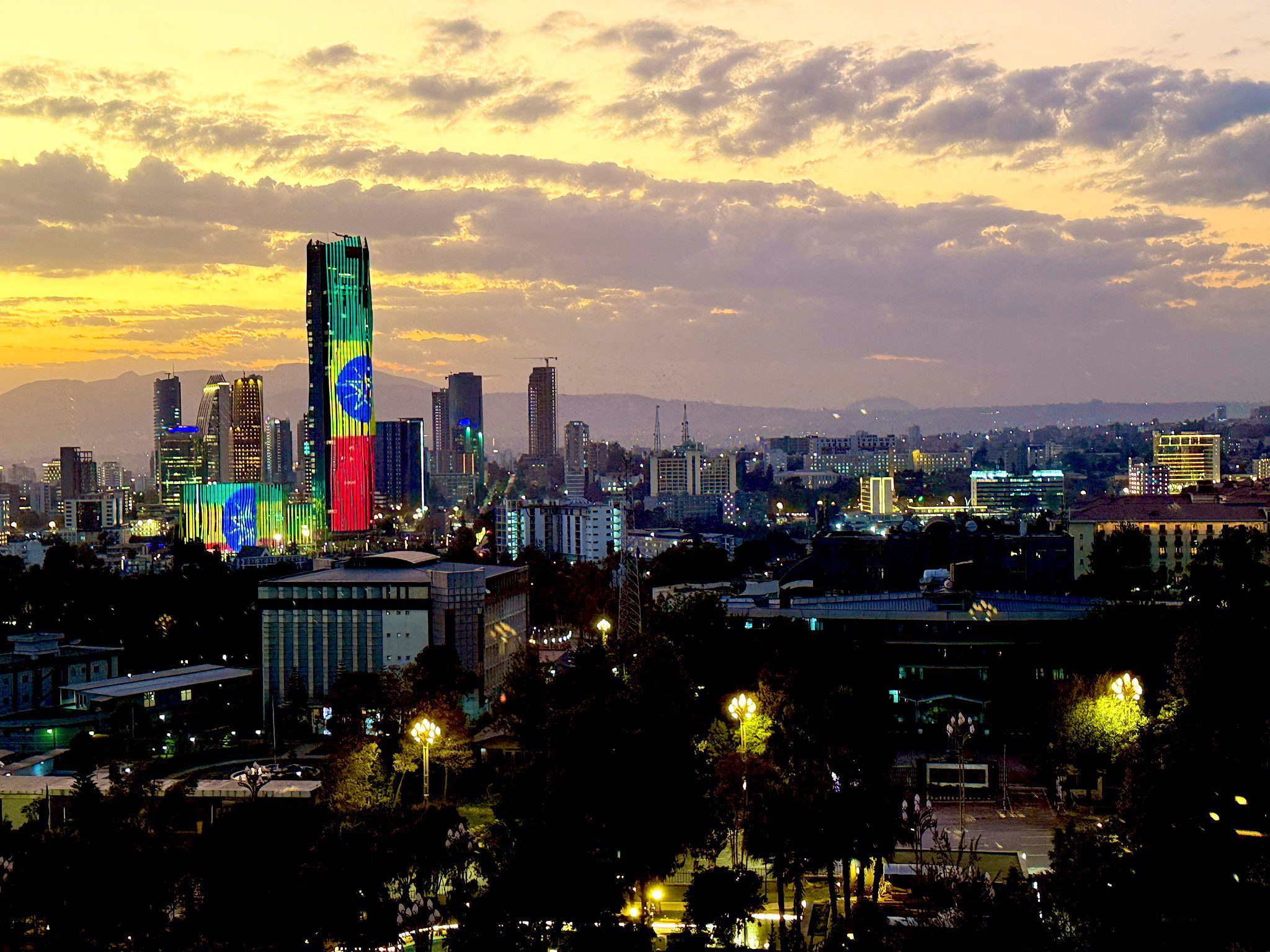
    While the country is often remembered for the devastating famine of the 1980s, today’s Ethiopia tells a radically different story. The bustling capital, Addis Ababa, has new infrastructure, thriving businesses, and a modern skyline. The country’s economy is rapidly expanding, fuelled by investments in renewable energy, industrialisation, and a new stock exchange. This makes it a top destination for investors seeking high-growth opportunities.

    Whether you’re exploring ancient wonders, witnessing a country rewriting its narrative, or tapping into an emerging market with a young, ambitious population, Ethiopia is the place to visit, invest in, and be inspired by today. 

    As 2025 unfolds, Ethiopia stands poised to become a key player in Africa and beyond. Here are five reasons why it is the country to watch in 2025:

    #1 Ethiopia is an emerging economic powerhouse

    Ethiopia is projected to become the 17th biggest economy in the world by 2075 with a GDP of $6.2 trillion. It will surpass countries like Canada and Saudi Arabia. Today, Ethiopia is the fifth-largest economy in Africa. This is the result of sustained economic growth, structural reforms, and strategic investments in key sectors. Here’s a breakdown of Ethiopia’s economic ascent and how it may continue to grow:

    • Sustained high GDP growth: Ethiopia’s GDP growth has averaged 8-10% over the past two decades. This growth was driven by: large-scale public investments in infrastructure; expansion of agriculture, manufacturing, and services; and increased trade and exports, particularly in coffee, sesame seeds, and textiles.
    • Infrastructure development: Ethiopia has invested heavily in infrastructure in recent years. The biggest project is the Grand Ethiopian Renaissance Dam (GERD), which will be Africa’s largest hydropower producer. The Addis Ababa-Djibouti Railway, highways, and industrial parks have enhanced logistics and connectivity. The expansion of Ethiopian Airlines, which is Africa’s largest and most profitable airline, has boosted trade and tourism. Read our review Ethiopian Airlines is bridging Africa to the world
    • Agricultural modernisation: agriculture is the backbone of Ethiopia’s economy, employing over 70% of the population. Key advancements include: improved irrigation, fertilizers, and farming techniques; a focus on exporting high-value crops like coffee (Ethiopia is Africa’s leading producer); and, investment in agro-processing to add value to raw agricultural products.
    • Economic liberalisation and reforms: the Ethiopian government has implemented significant reforms under Prime Minister Abiy Ahmed. These include: liberalising key sectors like telecommunications and banking; encouraging foreign direct investment and privatizing state-owned enterprises such as Ethio Telecom. Watch this Ethiopia in Focus episode with National Bank of Ethiopia Governor, Mamo Mihretu, to learn more about the economic reforms.
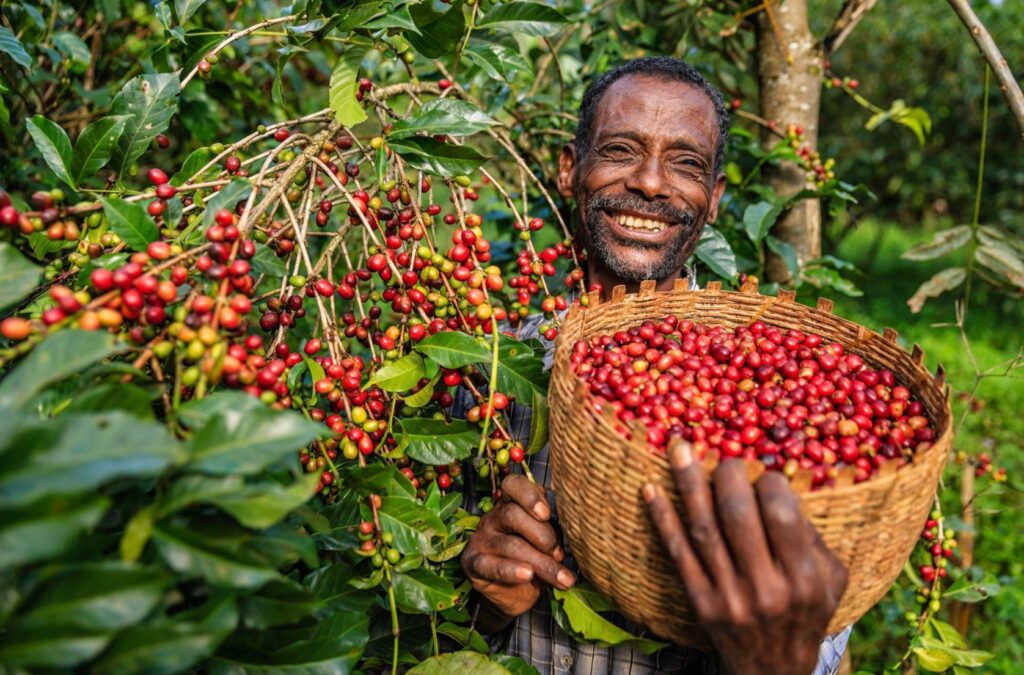
    Coffee grower
    Ethiopia made $908m from coffee exports in the last six months.

    How will Ethiopia continue to grow?

    • Demographic dividend: Ethiopia’s youthful population offers a significant demographic advantage, with the potential to drive innovation, entrepreneurship, and productivity. Investments in education and vocational training are critical to harnessing this potential and ensuring a skilled workforce. Over 100,000 STEM graduates join the workforce every year.
    • Industrialisation and manufacturing: Ethiopia is transitioning from an agrarian to an industrialized economy. Facilities like the Hawassa Industrial Park have attracted foreign manufacturers, particularly in textiles and apparel. There has been an expansion of cement, steel, and automotive industries to meet growing infrastructure and consumer demand.
    • Renewable energy leadership: Ethiopia is a leader in green energy in Africa with capacity in hydropower, wind, and geothermal energy. Exporting electricity to neighbouring countries will generate additional revenue and enhance regional influence.
    • Economic Diversification: the liberalisation of the telecom sector and increased internet penetration are driving growth in fintech and digital services.
    • Capital Market Development: the Ethiopian Securities Exchange (ESX) was established on 10 January 2025. It will provide businesses with access to capital and attract domestic and international investors.

    #2 Ethiopia’s growing geopolitical and regional influence

    Ethiopia’s geopolitical and regional influence stems from its strategic location, economic growth, and proactive diplomacy. While challenges like internal conflicts and regional disputes persist, Ethiopia’s ambitious vision for economic transformation and regional integration underscores its rising prominence on the global stage. Here’s how Ethiopia is expanding its role in regional and international affairs:

    • Strategic location: Ethiopia’s location makes it a critical player in the Horn of Africa, connecting the Middle East and North Africa with Sub-Saharan Africa.
    • Landlocked advantage: Ethiopia has cultivated strong trade and transport ties, particularly through Djibouti, which handles 90% of Ethiopia’s maritime trade. Ethiopian Airlines flies in 40/54 countries in Africa.
    • Host of the AU: Ethiopia hosts the headquarters of the African Union (AU) in Addis Ababa. This has positioned it as a hub for African diplomacy and decision-making. 
    • Peace and Security Leadership: Ethiopia plays a leading role in AU peacekeeping missions, contributing troops to stabilize conflict zones across Africa, such as Somalia, Sudan, and South Sudan.
    • Ethiopia-Eritrea Peace Deal: Prime Minister Abiy Ahmed’s 2018 peace agreement with Eritrea ended decades of hostility, earning him the Nobel Peace Prize in 2019. This move enhanced Ethiopia’s reputation as a peacemaker in the region
    • BRICS Membership: Ethiopia’s recent inclusion in the BRICS bloc enhances its geopolitical standing by aligning with major emerging economies like Brazil, Russia, India, China, and South Africa.
    • Non-Aligned Movement: Ethiopia balances relationships with global powers, including the United States, China, and Russia, to maintain its strategic autonomy.

    #3 Ethiopia has a youthful and ambitious population

    Ethiopia is the second-most populous country in Africa with over 125 million people. The median age is around 19 years, making it one of the youngest populations globally. Over 60% of the population is under the age of 25.

    Ethiopia’s leadership reflects the youthful nature of its population. The leadership under Prime Minister Abiy Ahmed, who became the youngest leader in Ethiopia’s modern history when he took office in 2018 at 42 years old, mirrors the aspirations of the younger generation. Abiy Ahmed and his team bring a modern, reform-driven mindset to governance, breaking away from Ethiopia’s traditionally older leadership.

    Ethiopia’s young leadership aims to reshape the country’s political and economic systems. The focus on reconciliation, modernization, and inclusivity aligns with the progressive demands of a new generation. Ethiopia’s young people are highly aware of their potential and the role they can play in national development.

    #4 Ethiopia is a growing tourism destination

    Ethiopia is a land of stunning landscapes and diverse ecosystems, making it one of Africa’s most captivating travel destinations. It has 9 UNESCO World Heritage sites (marked with *). Here’s a list of the top 15 places to visit in Ethiopia:

    Modern and historical cities

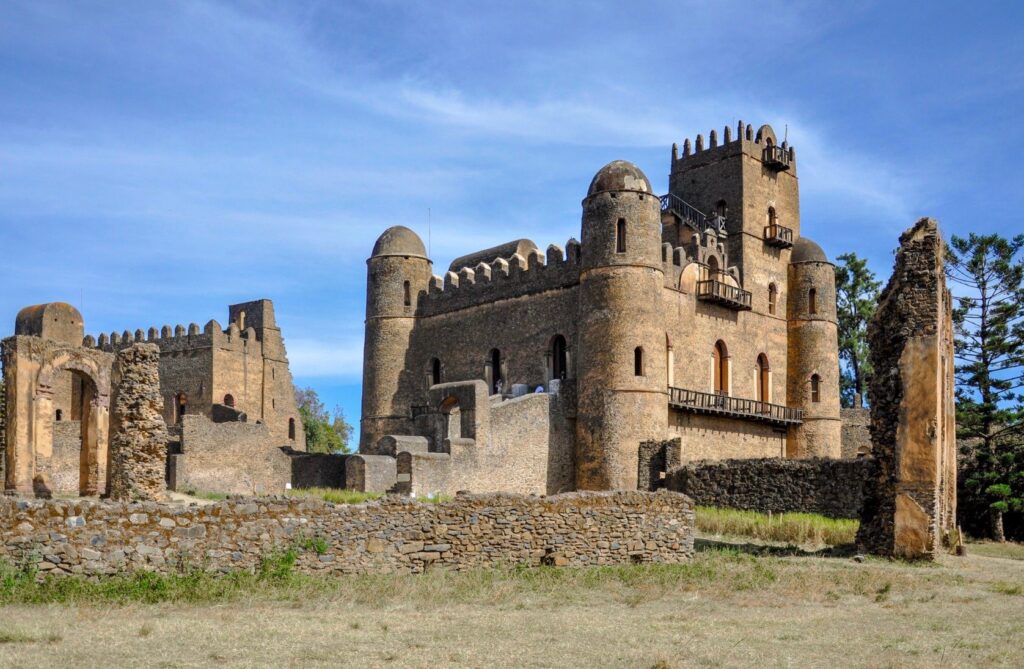
    The Fasil Ghebbi castle in Gondar before it was recently restored.
    • Addis Ababa: Ethiopia’s capital city is the gateway to the country. Local attractions include the National Museum (home to the famous fossil “Lucy”), Merkato (Africa’s largest market), and Entoto Hills.
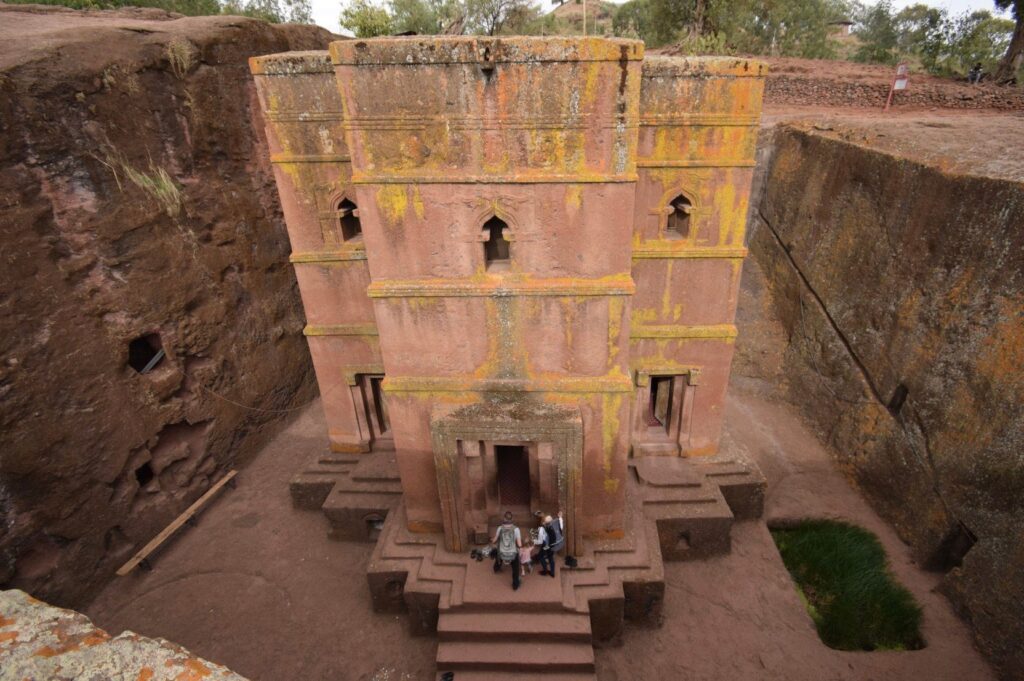
    • Lalibela*: the 12th century rock-hewn churches, known as the New Jerusalem, is the centre of Ethiopian Orthodox Christianity. 
    • Harar Jugol*: the fourth holiest city in Islam with over 80 mosques and a maze of narrow alleyways. It is famous for the tradition of hyena feeding.
    • Gondar: known as the “Camelot of Africa,” it boasts medieval castles and palaces, including the iconic Fasil Ghebbi*.
    • Aksum*: once the heart of the Aksumite Empire, it is one of Africa’s great ancient civilizations with ancient obelisks, royal tombs, and the reputed Ark of the Covenant housed in the Church of St. Mary of Zion.
    The rock-hewn churches in Lalibela, Ethiopia

    Nature

    • Awash National Park: known for its dramatic landscapes, including the Awash River Gorge, hot springs, and diverse wildlife like oryx and baboons. The Lower Valley of the Awash* contains one of the most important groupings of palaeontological sites on the African continent.
    • Simien Mountains National Park*: features rugged peaks, deep valleys, and unique wildlife like the Gelada baboon and the endangered Ethiopian wolf.
    • Bale Mountains National Park: a haven for wildlife, including the Ethiopian wolf, mountain nyala, and endemic bird species. It offers stunning Afro-alpine landscapes and pristine forests.
    • Arba Minch and the Nechisar National Park: scenic landscapes with lakes, forests, and the “Bridge of God” between Lake Chamo and Lake Abaya.
    • Konso Cultural Landscape*: recognised for its terraced farming and unique wooden totems called waka.
    • Lake Tana and the Blue Nile Falls: Lake Tana is Ethiopia’s largest lake and the source of the Blue Nile River, dotted with ancient monasteries on its islands. The Blue Nile Falls (Tis Issat) is locally known as “Smoking Water.”
    • Danakil Depression: one of the hottest and lowest places on Earth, known for its otherworldly landscapes, salt flats, lava lakes, and colorful hydrothermal fields.
    Highest peak of Bale Mountain, Ethiopia

    Other historical sites

    • Sof Omar Caves: one of the longest cave systems in Africa, known for its intricate limestone formations and spiritual significance.
    • Omo Valley: home to diverse indigenous tribes such as the Hamer, Mursi, and Karo, each with unique traditions, dress, and body art.
    • Tigray Churches: ancient rock-hewn churches in remote cliffside locations, offering incredible views and spiritual significance. 

    #5 Ethiopia has a rich and diverse cultural history

    Ethiopian history and culture stand out as uniquely rich and unparalleled in their depth and diversity, shaped by millennia of civilisation, religious heritage, and geographic diversity. Here are the key aspects that make Ethiopia’s history and culture so unique:

    History

    • Cradle of humanity: Ethiopia is often referred to as the Cradle of Humanity due to its significant contributions to the study of human origins. Fossil discoveries, such as Lucy (Australopithecus afarensis), found in the Afar region, date back 3.2 million years.
    • Pan-African symbolism: Ethiopia’s legacy as the only African nation to resist colonisation and its pivotal role in the Pan-African movement, amplify its moral and cultural influence in Africa. The victory at the Battle of Adwa (1896), where Ethiopian forces defeated Italy, became a symbol of African resistance and independence.
    • Ancient civilization and kingdoms: the Aksumite Empire (circa 100–940 AD) was a major trading empire and one of the most advanced civilizations of its time, known for its monumental stelae (obelisks) and as one of the first nations to adopt Christianity. Aksum was a key player in trade routes connecting the Roman Empire, India, and Arabia.
    • Unique alphabet and language: Ethiopia uses the Ge’ez script, one of the world’s oldest writing systems still in use today, primarily for liturgical purposes in the Ethiopian Orthodox Church.

    Religious heritage

    • Religious heritage: Ethiopia is one of the world’s oldest Christian nations, having adopted Christianity in the 4th century AD. The Ethiopian Orthodox Church has unique practices, including ancient religious music, fasting traditions, and monastic life. Ethiopia is also a major centre for Islam in Africa, with Harar being one of Islam’s holiest cities. Ancient Judaism has influenced Ethiopian traditions, and the Beta Israel (Ethiopian Jews) have a significant historical presence.
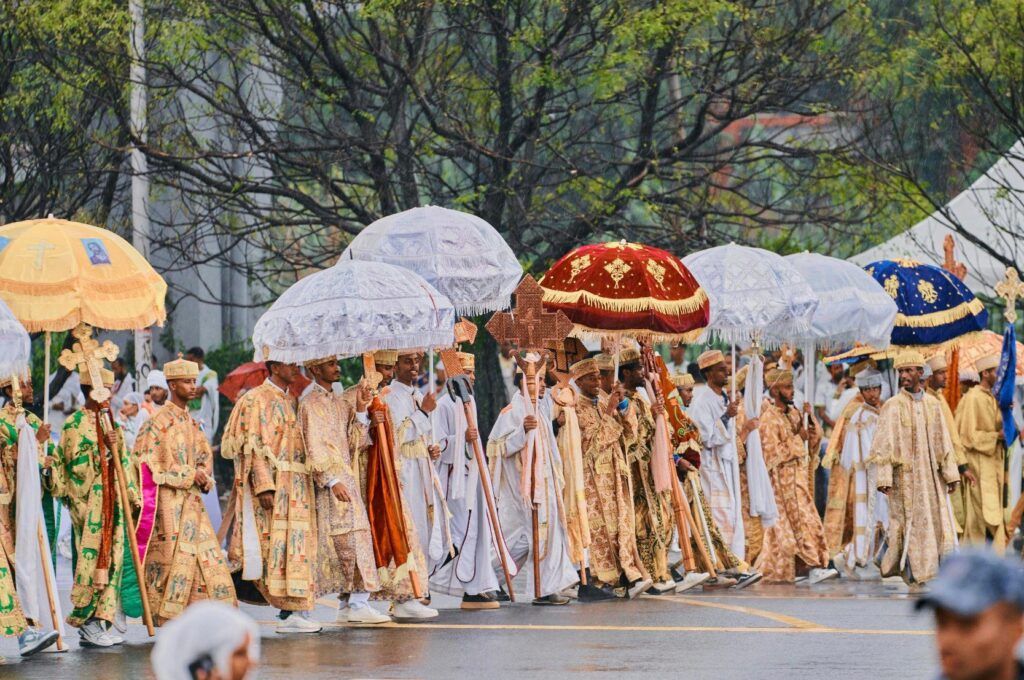
    A religious procession in Ethiopia

    Culture

    • Oral tradition: Ethiopia has a vibrant oral tradition that preserves its history, legends, and folklore.The Kebra Nagast (Glory of Kings) narrates the lineage of Ethiopian rulers traced back to the union of King Solomon and the Queen of Sheba.
    • Culinary delights: Ethiopian cuisine is unique, characterized by its use of injera (a sourdough flatbread) and spiced stews such as doro wat and shiro. The traditional coffee ceremony highlights Ethiopia’s role as the birthplace of coffee, offering a deeply cultural and social experience.
    • Musical and artistic heritage: Ethiopian music is distinguished by its unique pentatonic scale and spiritual chanting traditions. Traditional instruments, such as the krar (lyre), masinko (single-stringed fiddle), and kebero (drum), have been used for centuries in both secular and religious contexts. Iconic religious art, particularly church murals and manuscript illuminations, reflects deep spiritual devotion.
    • Festivals and celebrations: Ethiopia follows a unique calendar and celebrates festivals in ways distinct from the rest of the world. Timket (Epiphany) and Meskel (Finding of the True Cross) are vibrant celebrations of faith, involving colourful processions, music, and dance. The Ethiopian New Year (Enkutatash) falls on 11th September and marks the beginning of a new harvest season. The calendar runs for 13 months and is seven to eight years behind the Gregorian calendar. It is currently the year 2017 in Ethiopia.
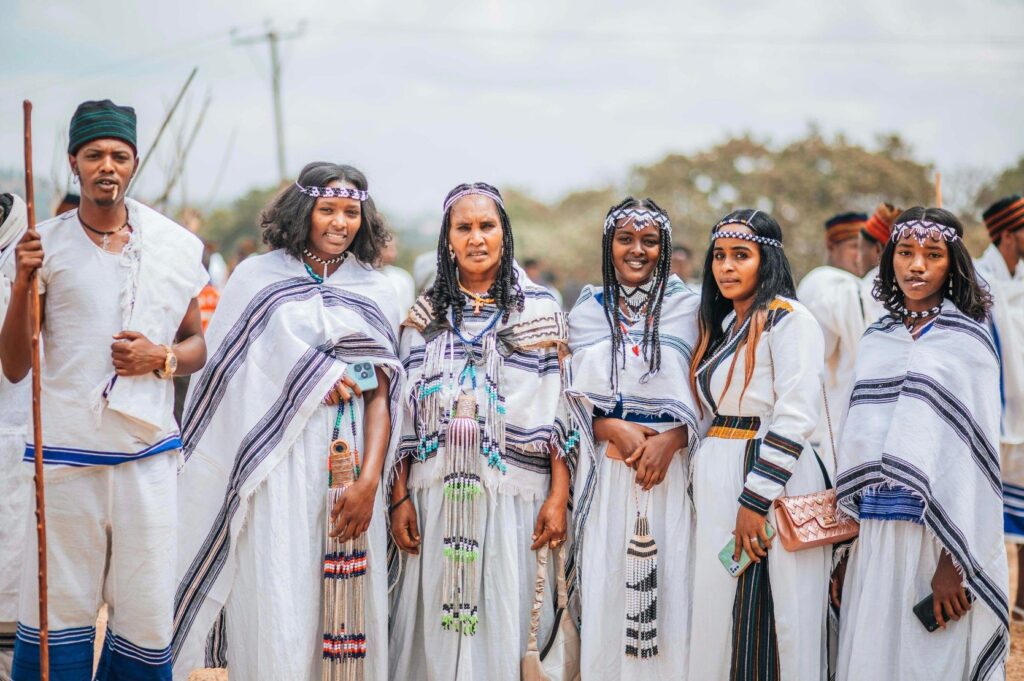
    Women in Ethiopian wedding attire

    Conclusion

    Ethiopia stands at a crossroads, rich with potential yet challenged by internal division. For generations, Ethiopia has been a beacon of resilience and pride, known for its ancient heritage, unyielding independence, and the strength of its people. But to unlock the brighter future, its people must recognise that unity, not division, will drive their success. 

    Ethiopia has over 80 cultures and languages. Ethnic tensions remain high and clashes have persisted in various regions, including Tigray, Amhara and Oromia. Watch this Ethiopia in Focus episode with the Minister of Foreign Affairs, Dr Gedion Timothewos, which explains the source of internal conflict.

    The world is watching Ethiopia rise. But this rise can only be sustained if Ethiopians come together as one people, united by shared goals for peace, prosperity, and progress. There is an urgent need to put aside the divisions in order to achieve the greatness that Ethiopia is destined for.

  • India’s strategic investment in tech pays dividends

    India’s strategic investment in tech pays dividends

    India’s increasing dominance of C-suite roles in Silicon Valley received a major boost on Monday 29 November 2021, when Parag Agrawal was unexpectedly named the new Chief Executive Officer (CEO) of Twitter. Agrawal replaced Co-Founder, Jack Dorsey, who stepped down from the social media platform, presumably to focus on his other role as CEO of the financial platform, Square, which he launched during a break from Twitter between 2008 to 2015. Agrawal joined Twitter in 2011 as a software engineer and was then promoted to Chief Technology Officer (CTO) in October 2017, responsible for driving the artificial intelligence and machine learning strategy. Agrawal joins a growing list of Indian techies who are rising to the top of their organisations in California such as Sundar Pichai (CEO, Alphabet and Google), Nikesh Arora (CEO and Chairman, Palo Alto Network) and Padmasree Warrior (former CTO of Cisco and Motorola). Aside from nationality, what these tech titans have in common is that they are all graduates of the prestigious Indian Institutes of Technology (IITs).

    What are Indian Institutes of Technology?

    India made a strategic decision in 1946 to establish Higher Technical Institutes modelled on the renowned Massachusetts Institute of Technology (MIT), recognising that human capital was key to the industrial development of India post-independence. India gained independence from Britain in 1947.

    The first IIT was opened in Kharagpur in 1951 and declared an Institute of National Importance when parliament passed the Indian institute of Technology (Kharagpur) Act in 1956. The Parliamentary Act was updated in 1961 and led to the establishment of 22 more IITs across India.

    “Here in the place of that Hijli Detention Camp stands the fine monument of India, representing India’s urges, India’s future in the making. This picture seems to me symbolical of the changes that are coming to India”

    Jawaharlal Nehru. First Prime Minister of India. 1956

    Why have Indian Institutes of Technology been so successful?

    Firstly, the enactment of IITs laid the foundation for an unwavering commitment by the Indian government that has lasted for more 75 years. Furthermore, the IIT Council reports to the ceremonial President of India, which creates a governance buffer that separates IITs from political whims and keeps them firmly within the realm of national importance.

    Secondly, India has invested heavily in the development and maintenance of IITs. The 2021-22 federal budget allocated 8% of the total education spend to IITs, which was equivalent to the amount granted to all core universities across India. The IIT spend is 20% of the total higher education budget. However, the government has yielded to pressure to reduce spend on elite schools in recent years forcing some IITs to turn to their alumni to fill the funding shortfall. In 2019, IIT Delhi launched a Global Alumni Endowment Fund which aims to raise $1 billion by 2026.

    Lastly, IITs have developed global recognition for producing solid graduates. The entrance process is highly competitive and the acceptance rates lower than that to get into Harvard and Oxford. IITs have also established a culture of meritocracy, where intellectual ability rather than political or other connections, carries weight. IITs place a strong emphasis on discipline, mandatory class attendance and regular testing, which has established a strong academic rigour. The fact that more than 30,000 IITians are reported to have migrated to the United States since 1953 is a testament to the quality of education.

    India’s long-term tech strategy also resulted in the establishment of an Asian Silicon Valley, with key tech hubs in Bangalore and Chennai. What started as centres to provide back-office support to mainly American companies has evolved into global centres of research and development and the home to billion-dollar start-ups.

    What can Africa learn from the Indian Institutes of Technology?

    The biggest challenge many African leaders face is an inability to develop and sustain policies that will outlive them. It took at least four decades for India to start reaping the rewards of the 1946 decision and yet each of the 15 Prime Ministers and 14 Presidents of India since independence have stayed on strategy.

    The realisation that science and technology will be vital to drive Africa’s economic development needs to be supported by the creation of quality institutions that can deliver the highest standards of learning and applied research. While IITs teach degrees in aeronautical engineering, computer science engineering, electronics and communications and industrial engineering, many “technology institutions” across Africa only offer certificates and basic degrees in IT. The African University of Science and Technology, which has branded itself as one of the continent’s leading scientific and technological institutes, will only start offering Software Engineering programs in 2022. It is time to raise the ambition.

  • The African Continental Free Trade Area: actuality or pipe dream?

    The African Continental Free Trade Area: actuality or pipe dream?

    The African Continental Free Trade Area (AfCFTA) agreement, which came into effect on 1 January 2021, is an ambitious plan to achieve economic development through regional trade integration. The agreement covers a single market with 1.3 billion consumers and a combined GDP of $2.2 trillion.

    According to the United Nations Conference on Trade and Development (UNCTAD), the AfCFTA could generate welfare gains of $16.1 billion and boost intra-Africa trade by 33% from the current 16-18%. The agreement has been signed by all African countries except Eritrea.

    Key events leading up to this milestone achievement:

    • 1991: Treaty establishing the African Economic Community signed (Abuja)
    • 2012: Agreed to establish a free trade area by 2017 (Addis Ababa)
    • 2018: 44 member countries signed the agreement establishing AfCFTA (Kigali)
    • 2019: the AfCFTA Secretariat is opened in Accra as an independent institution responsible for implementing the agreement
    • 2021: trade can commence

    Three reasons why AfCFTA could succeed

    1. Regional integration can deliver significant benefits

     The European Union framework is credited with increasing bilateral exporting relationships among member states. The total intra-Europe trade is estimated at around 60% though individual country estimates vary. Africa’s target of 50% is not unreasonable.

    Other regions are following the same approach. The AfCFTA was meant to be the largest free trade area in the world but the honour goes to the Asia-Pacific region following the signing of the Regional Comprehensive Economic Partnership (RCEP) on 15 November 2020. The RCEP has 15 members including Australia, China, Japan, South Korea and Singapore who represent 30% of the world’s population (2.2 billion people) and 30% of global GDP ($26.2 trillion).

    2. Demographics will drive future growth

     Africa has a population that is 2.6x bigger than Europe. The demographics alone are stacked in Africa’s favour.  Africa also has the world’s fastest growing middle-class and it is estimated that the number of Africans living below the poverty line will be just 33% by 2060.

    This middle class will be the key driver of Africa’s future economic growth as we saw in China. China’s economic reforms lifted 600m out of poverty which increased domestic consumption of Chinese-made commodities.

    3. Exploiting Africa’s comparative advantage

     Africa has a natural comparative advantage in the production of agriculture commodities, metals & minerals and tourism. Despite having 60% of the world’s arable land, Africa is now a net importer of food. Import substitution of food products such as rice imported from India and fish from China could be some of the quick wins for the region. This will in turn spur the growth of regional manufacturing.

    Three reasons why AfCFTA could fail

    1. Execution failure

    Africa has eight Regional Economic Communities (RECs) that have been in existence since 1964 when the Economic Community of Central African States (ECCAS) was established and includes the dormant Arab Maghreb Union (AMU) that has not had any meetings since 2008. The jury is out as to whether these RECs have achieved their main objectives.

    This is one of the reasons cited by Eritrea for not signing the AfCFTA agreement. The country’s Information Minister, Yermane G. Meskel, tweeted that they wanted to “focus on incremental/achievable results i.e. nurturing first the building blocs or RECs”.

    The AfCFTA agreement is light on the detail as negotiations between countries are yet to conclude. There is a lack of clarity about what the tariff reduction will be based on (tariff lines or total trade), how market access will work in practice and how to level the playing field between larger and more established markets like Nigeria, Ghana and smaller countries. India pulled out of the RCEP agreement because key concerns were not addressed and the net costs seem to outweigh the benefits.

    This begs the question: have countries adequately evaluated the benefits of joining AfCFTA and who is keeping them honest?

    There is little publicly-available evidence of these discussions.

    2. Economic integration without political integration cannot succeed

     The EU’s greatest advantage is that it has both political and economic integration and respects the rule of law on which its treaties are founded. As a result, Brussels wields enormous power and influence in ensuring that countries comply. The African Union does not have the same level of influence which will make the AfCFTA’s Secretariat’s job much harder.

    The counterargument is that Asia’s RCEP does not include political integration. However, Asia has a track record of delivering results and the RCEP has better odds of succeeding than AfCFTA. The RCEP is built on the success of the ASEAN Free Trade Agreements which have eliminated 98.6% of tariff lines. Intra-ASEAN trade in 2017 was 23% for the region and varied by country from 50.8% for Laos to 10% for Cambodia. 

    3. African countries need to produce goods that Africa imports

    A new regional body will not fix the underlying structural issue: intra Africa trade will only increase when Africa starts producing commodities that countries need.

    Africa mainly imports motor vehicles, computers and IT products, pharmaceuticals, food and electronics. African consumers would rather buy a second hand 15 year old Toyota Hilux than a brand new and affordable vehicle produced by African automobile companies such as Innoson Motors (Nigeria), Wallyscar (Tunisia), Kantanka Cars (Ghana), Mobius Motors (Kenya) and Kiira EV (Uganda). This problem will become more severe when European countries ban petrol and diesel cars in 2030 (please look out for a future blog post on this subject).

    Three key enablers to realise the ambition

    1. Strong Command Centre

    The AfCFTA Secretariat needs to ensure the timely delivery of AfCFTA which was realised four years later than originally agreed in 2012. The Secretariat will also need to set clear and specific objectives that are linked to publicly available performance indicators. One of the challenges in assessing the performance of regional blocs in Africa is the lack of transparency about objectives and performance.

    The African Union will need to step up its role in resolving roadblocks and managing the 54 heads of state who may agree with the common goal but have different agendas. AU’s power and authorities are currently drawn from goodwill which does not work when things go wrong as seen recently in Ethiopia and Mali. The AU can take the learnings from Europe to enhance the legal framework around treaties and make them more enforceable.

    2. Infrastructure

    This remains a huge impediment and many questions remain unanswered:

    • How will goods, services and people move around Africa?
    • How will the AU and AfCFTA ensure that countries are building roads and rail that connect Africa and who will pay for it?
    • How will manufacturing plants be set up and operated if basic utilities such as water and electricity are unavailable?

    Power, water, roads, rail and affordable air travel are the basic building blocks to economic development and need to be sorted out urgently.

    It is good to see the positive reaction from leaders such as Akinwunmi Adesina, President of the African Development Bank (AfDB), who won an award for his contribution to AfCFTA. Multilateral institutions such as AfDB, African Export-Import Bank (Afreximbank) and Trade & Development Bank (TDB) will be the financial engines that will help realise this ambition.

    3. Skilled labour

     If Africa aims to start manufacturing motor vehicles, computers and other high-tech products which the continent currently imports, there needs to be a radical change in higher education curriculums and skills training.

    A quick google search on robotics and AI at universities in Africa shows that few universities outside of South Africa are raising the education bar to match that of Asia, Europe and Americas. Ministries of Education need to work hand in hand with Trade and Finance to provide the necessary human capital to support AfCFTA.

    ONGOLO Prediction

    The AfCFTA is doomed to fail if the responsibility for achieving the main objectives remains solely in the hands of politicians and African Union technocrats.

    Africa has been too reliant on the public sector to lead economic development – a costly mistake as evidenced by the number of loss-making parastatals that dominate most economies.

    It is time for a radical shift in the cockpit with the private sector and multilateral agencies taking the co-pilot seat and the AfCFTA and African Union retaining the captain and flight engineer seats, respectively. Bringing in the private sector will support the creation of industries, jobs and ultimately increase the GDP of Africa.

    Identify leading African corporates from every country to support implementation will increase the likelihood of success. The Dangote Group announced last week that AfCFTA will allow them to expand their footprint. Dangote already operates in 10 markets and will be expanding to five more.

    Large pan-African corporates will be the clear winners from AfCFTA. It is up to the AfCFTA Secretariat to ensure that the benefits extend to small and medium enterprises as well as ordinary citizens in order for this initiative to be a true success.

    © 2021 Muloongo Muchelemba. All Rights Reserved